Why Early Detection Matters
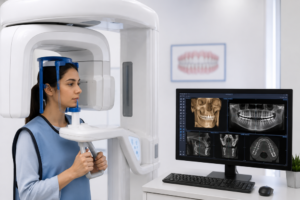
Many Orthodontic Problems in Children develop gradually as permanent teeth begin to emerge. Because children's jaws are still growing, orthodontists often have more opportunities to guide proper development and address concerns before they worsen.
An early orthodontic evaluation can help identify issues that may affect:
- Tooth alignment
- Jaw growth
- Bite function
- Speech development
- Oral hygiene
- Long-term dental health
Recognizing these concerns early can make future treatment more effective and, in some cases, less complicated.
1. Crowded Teeth
One of the most Common Orthodontic Problems in Children is crowding. This occurs when there is not enough space in the jaw to accommodate all permanent teeth properly.
Signs of crowded teeth may include:
- Overlapping teeth
- Twisted teeth
- Teeth erupting out of position
- Difficulty flossing and brushing
Crowding can make oral hygiene more challenging and increase the risk of cavities and gum disease if left untreated.
2. Crossbite
A crossbite occurs when some upper teeth sit inside the lower teeth when the mouth is closed. This condition can affect both the front and back teeth.
Children with a crossbite may experience:
- Uneven tooth wear
- Gum recession
- Jaw discomfort
- Facial asymmetry over time
Early correction often helps guide proper jaw development and prevents the condition from worsening.
3. Overbite
An overbite occurs when the upper front teeth excessively overlap the lower front teeth.
While a slight overbite is normal, a severe overbite may lead to:
- Excessive wear on teeth
- Difficulty chewing
- Jaw discomfort
- Increased risk of dental trauma
Orthodontic treatment can help improve bite balance and function.
4. Underbite
An underbite develops when the lower teeth extend beyond the upper teeth.
This condition may cause:
- Difficulty chewing food
- Speech challenges
- Jaw strain
- Uneven facial growth
Addressing an underbite during childhood can often be more effective because the jaw is still developing.
5. Open Bite
An open bite occurs when the upper and lower front teeth do not touch when the mouth is closed.
Common causes include:
- Thumb sucking
- Tongue thrusting
- Certain jaw growth patterns
Children with an open bite may experience difficulty biting into foods and speaking clearly.
6. Spacing Problems
While crowding receives significant attention, excessive spacing between teeth can also be among the most common Children's Orthodontic Issues.
Spacing problems may result from:
- Missing teeth
- Small teeth
- Jaw size differences
- Developmental factors
Large gaps between teeth can affect both appearance and bite function.
7. Protruding Front Teeth
Children whose upper front teeth extend outward may face an increased risk of injury during sports and daily activities.
Protruding teeth can result from:
Orthodontic treatment may help improve tooth positioning and reduce injury risk.
8. Jaw Alignment Problems
Some children experience differences in upper and lower jaw growth. These Jaw Alignment Problems may contribute to bite irregularities such as underbites, overbites, and crossbites.
Symptoms may include:
- Difficulty chewing
- Jaw shifting
- Facial imbalance
- Clicking or popping sounds
Early monitoring helps orthodontists determine the best time for treatment.
9. Impacted Teeth
Impacted teeth occur when permanent teeth become trapped beneath the gums and fail to erupt properly.
Potential causes include:
- Lack of space
- Crowding
- Abnormal tooth positioning
Early diagnosis can help prevent complications and support proper tooth eruption.
10. Orthodontic Issues Caused by Thumb Sucking
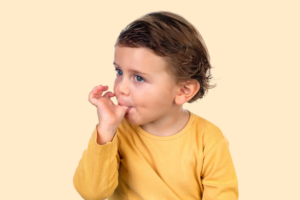
Prolonged thumb sucking or pacifier use beyond early childhood can affect tooth alignment and jaw development.
Possible consequences include:
- Open bite
- Protruding front teeth
- Changes in jaw growth
- Bite irregularities
Addressing these habits early may reduce the risk of future orthodontic concerns.