What Happens If You Stop Wearing Your Retainer?

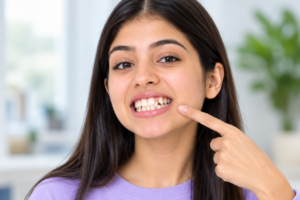
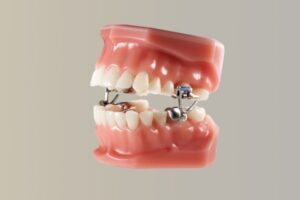
Stopping your retainer can cause your teeth to gradually shift back to their original positions. Retainers are designed to hold your teeth in place after orthodontic treatment, and without them, the natural movement of teeth can undo months or even years of progress. The longer you go without wearing your retainer, the higher the chance of noticeable changes in alignment.

Why Retainers Matter After Orthodontic Treatment

After braces or clear aligners, your teeth are not permanently fixed in their new position. The surrounding bone and soft tissues need time to stabilize.

Retainers play a critical role in:

- Maintaining your new smile
- Preventing teeth from shifting
- Supporting long-term orthodontic results

Even after successful retainers treatment, teeth can naturally move over time if not properly supported.

What Actually Happens When You Stop Wearing Your Retainer?

The effects don’t happen overnight—but they do happen.

1. Teeth Start Shifting Back (Relapse)

Teeth have a natural tendency to return to their original position. This is called orthodontic relapse. Even a few weeks without a retainer can cause minor movement.

2. Changes in Bite Alignment

Your bite may slowly change, leading to discomfort or uneven pressure when chewing.

3. Tight or Ill-Fitting Retainer

If you try wearing your retainer again after a gap, it may feel tight—or may not fit at all.

4. Visible Changes in Your Smile

Small gaps, crowding, or slight rotations can start to appear over time.

5. Need for Additional Treatment

In more advanced cases, you may need further orthodontic care to correct the shifting.

How Fast Do Teeth Move Without a Retainer?

This depends on the individual, but in many cases:

- Minor shifting can begin within a few weeks
- Noticeable changes may appear within a few months
- Significant relapse can occur over time if the retainer is not used consistently

The first year after treatment is especially critical.

Can You Fix Teeth That Have Shifted?

Yes - but the solution depends on how much movement has occurred.

- Mild shifting: Wearing your retainer again may help reposition teeth
- Moderate shifting: A new custom retainer may be needed
- Severe shifting: Additional orthodontic treatment may be required

The sooner you act, the easier it is to correct.

What to Do If You Stopped Wearing Your Retainer

If you’ve stopped wearing your retainer, don’t ignore it.

Here’s what you should do:

- Try wearing your retainer if it still fits (don’t force it)
- Schedule a check-up with your orthodontist
- Ask if a replacement retainer is needed
- Follow a consistent wear schedule moving forward

If you're looking for retainers treatment in Ballwin, getting professional guidance early can prevent more complex issues later.

How to Prevent Teeth from Shifting Again

Consistency is key.

- Wear your retainer as instructed
- Keep it clean and properly stored
- Replace it when worn out or damaged
- Attend regular orthodontic check-ups

Long-term retention is essential for keeping your smile intact.

Conclusion

Orthodontic treatment doesn’t end when braces come off—it continues with proper retainer use. Stopping your retainer, even temporarily, can lead to unwanted changes in your smile.

Staying consistent with your retainer is one of the simplest ways to protect your investment and maintain long-term results.

FAQs

1. How long can I go without wearing my retainer before teeth shift?

Teeth can start shifting within a few weeks, especially soon after treatment. Consistent wear is important to prevent relapse.

2. Can I wear my retainer again after not using it for months?

If it still fits comfortably, you may be able to wear it again. If it feels too tight or doesn’t fit, consult your orthodontist.

3. Will my teeth go back to normal if I stop wearing my retainer?

They may not fully return to their original position, but noticeable shifting can occur over time.

4. Do I need a new retainer if mine doesn’t fit anymore?

Yes, if your retainer no longer fits properly, a replacement is usually needed to prevent further movement.

5. Is it normal for a retainer to feel tight after not wearing it?

Yes, slight tightness can indicate minor shifting. However, pain or inability to fit it properly means you should seek professional advice.

6. How often should I wear my retainer to keep teeth straight?

Most patients are advised to wear it nightly after the initial full-time phase, but your orthodontist will provide personalized guidance.