Why Are My Teeth Overlapping?

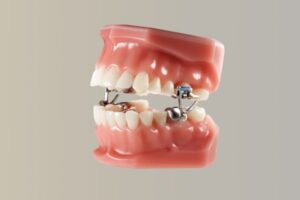
If you have noticed your teeth sitting on top of, behind, or too close to one another, you may be wondering, “Why are my teeth overlapping?” Overlapping teeth are often caused by crowding, which happens when there is not enough space in the mouth for the teeth to align properly.

While overlapping teeth can affect the appearance of your smile, they can also make brushing and flossing more difficult. Understanding the cause can help you determine whether orthodontic treatment may be appropriate.

What Causes Overlapping Teeth?

There are several overlapping teeth causes. One of the most common is crowded teeth, which can occur when the teeth are larger than the available space in the dental arch.

Other factors that may contribute to overlapping teeth include:

  • The size and shape of the jaw
  • Tooth size and the amount of available space
  • Genetics and family history
  • Early or delayed loss of baby teeth
  • Permanent teeth developing or erupting in unusual positions
  • Changes in tooth position over time

Overlapping front teeth are often the most noticeable because they are visible when you smile. However, crowding can occur anywhere in the mouth.

Can Overlapping Teeth Be Fixed?

Yes. In many cases, overlapping teeth can be improved with orthodontic treatment. The appropriate approach depends on the amount of crowding, your bite, tooth position, jaw development, and overall orthodontic needs.

An orthodontist can examine your teeth and jaws to determine what is causing the overlap and whether treatment is recommended.

How to Fix Overlapping Teeth

If you are searching for how to fix overlapping teeth, orthodontic treatment can gradually move teeth into better positions and improve overall alignment.

Treatment may involve braces or, for some patients, clear aligners. Children may also benefit from an early orthodontic evaluation when crowding is developing, as treatment timing can be important during growth.

The goal is not simply to straighten one overlapping tooth. Treatment also considers how the upper and lower teeth fit together to create a healthier and more stable bite.

Does Overlapping Get Worse Over Time?

Teeth can naturally shift as you get older, and existing crowding may become more noticeable over time. However, the amount of movement varies from person to person.

If you notice increasing crowding or changes in the position of your teeth, an orthodontic evaluation can help determine whether treatment may be beneficial.

Overlapping Teeth Treatment in Ballwin, MO

If you or your child has crowded overlapping teeth, an orthodontic evaluation is a good way to understand the cause and available treatment options.

At Plaza Orthodontics, patients looking for overlapping teeth treatment in Ballwin, MO can receive an evaluation of their tooth alignment, bite, and jaw development. Orthodontic treatment can then be planned according to individual needs.

If you are concerned about overlapping teeth, schedule an orthodontic consultation to learn why your teeth may be overlapping and what treatment options may be appropriate.

Frequently Asked Questions

1. Why are my teeth overlapping?

Teeth may overlap when there is not enough space for them to align properly. Tooth and jaw size, genetics, growth, and the position of developing teeth can all contribute to crowding.

2. Can braces fix overlapping teeth?

Yes. Braces can gradually move overlapping and crowded teeth into better alignment while also addressing certain bite problems.

3. Can overlapping teeth be fixed without braces?

Some patients may be candidates for clear aligners, depending on the severity and type of crowding. An orthodontic evaluation is needed to determine whether aligners are appropriate.

4. Can overlapping teeth get worse with age?

Existing crowding can become more noticeable as teeth shift over time. However, the amount of change varies between individuals.

5. Can overlapping teeth come back after treatment?

Teeth can move after orthodontic treatment. Wearing retainers as instructed is important for maintaining the alignment achieved during treatment.